IPTV vs Cable: An Honest Side-by-Side Comparison
The IPTV vs cable question comes up in almost every household that reviews its TV bill. Both services deliver live channels to the same screen. However, they use different networks, different equipment and very different contracts. This guide compares them side by side, so you can decide which one fits the way you actually watch.
We sell IPTV, so we have a point of view. Even so, cable still suits some homes better, and we say so below. Our aim is a fair picture, not a sales pitch.
How IPTV and cable TV deliver channels
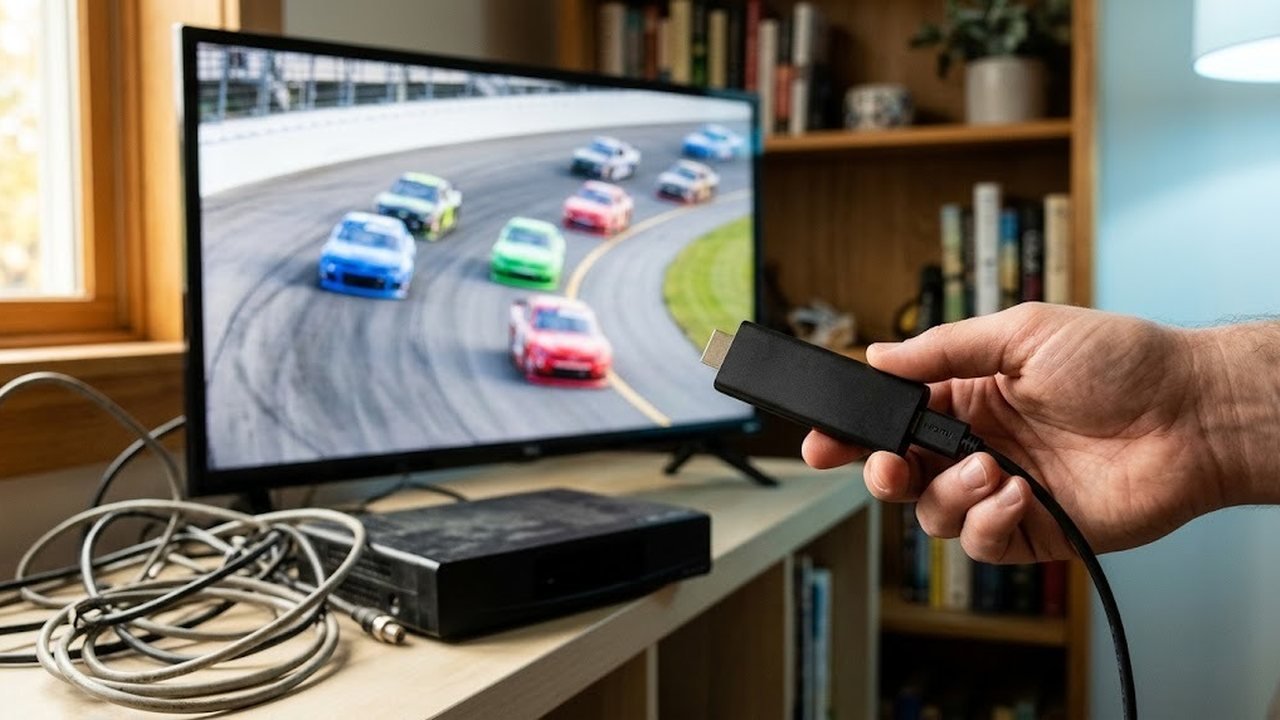
Cable sends channels over a coaxial line owned by the provider. The signal reaches a set-top box, which tunes each channel much like an antenna does. Because the provider controls the whole line, the lineup arrives as one fixed bundle.
IPTV sends channels over your normal internet connection instead. A player app requests a stream, and the server sends it as data packets. You can read how this works in Wikipedia’s Internet Protocol television article. In short, any device with a player app and a stable connection can become a TV receiver.
IPTV vs cable equipment
Cable usually needs a provider box in every room where you want TV. Many companies charge a monthly rental for each one, and a DVR box often costs more. Installation may also require a technician visit.
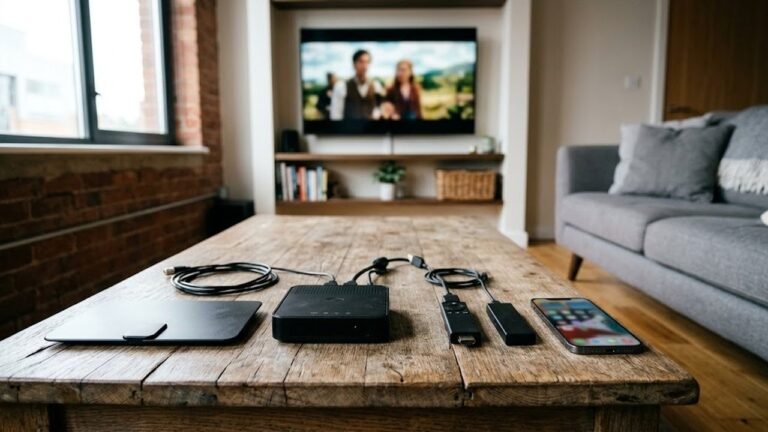
With IPTV, the equipment is generally yours. A Smart TV app, a Fire TV Stick, an Android TV box, an Apple TV or even a phone can play the streams. As a result, a second room needs only a second device, not a second rental. Our IPTV setup guide covers each device step by step.
Contracts, fees and the real monthly bill
Cable pricing often starts with an advertised package rate. Then the bill adds extra lines. Common examples are equipment rental, a regional sports fee and a broadcast TV fee that passes on what local stations charge the provider. Some plans also come with a one- or two-year contract and an early termination charge.
Promotional rates can also rise after the first year. For this reason, the price on the flyer and the price in month thirteen are not always the same. It is worth reading the full rate card before signing anything.
IPTV pricing tends to be simpler. At SetIPTV, plans are one-time payments with no auto-renewal. Prices run from $12.99 for 1 month to $74.99 for 12 months. Between them sit a 3-month plan at $24.99 and a 6-month plan at $44.99. There is no equipment rental and no contract to exit, and you can compare the options on the IPTV monthly subscription page.
Picture quality on IPTV and cable
Cable picture quality is consistent because the line is dedicated to TV. Most channels arrive in HD, although true 4K is limited on many systems. The image rarely changes from one evening to the next.
IPTV quality depends more on your connection. On a stable line, HD and 4K channels look sharp and can match what a cable box shows. On a weak Wi-Fi signal, though, the stream may drop resolution or pause to buffer. A wired Ethernet link or a strong 5 GHz network usually solves that.
Reliability and outages
Cable has a long track record. When the line works, it keeps working, even if your home internet is busy. Still, cable outages do happen, and a single fault can take out TV, phone and internet together.
IPTV shares your broadband with everything else in the house. So, if several people are gaming or downloading at the same time, a live channel can stutter. On the other hand, you can switch to a phone on mobile data if the home connection goes down. Moving heavy downloads to off-peak hours also keeps streams smooth.
Cable DVR versus internet TV catch-up
A cable DVR records shows to a hard drive, either in the box or in the provider’s cloud. It works well, but storage is limited, and recordings may disappear if you change boxes. You also need to remember to set the recording in advance.
IPTV usually replaces recording with catch-up. Instead of planning ahead, you open the program guide and play a show that aired earlier. SetIPTV includes a 7-day program guide, catch-up on supported channels and a large library of movies and series. The post on IPTV USA EPG explains how the guide and catch-up fit together.
When cable still makes sense
Cable is not the wrong choice for everyone. It can still be the better option in a few situations:
- Your internet is slow, capped or unreliable, and no faster plan is available.
- Someone in the house wants one remote and no apps at all.
- You already have a bundle discount that makes TV almost free.
- A recorded DVR library matters to you and you do not want to lose it.
For most other homes, though, IPTV offers more flexibility for less money. That is the honest bottom line of the IPTV vs cable comparison.
How to test the switch without risk
The safest way to settle IPTV vs cable is to run both side by side for a short time. First, keep your cable active and request a free IPTV trial on WhatsApp. Next, watch the channels you care about at your normal hours, including busy evenings. Finally, check picture quality on each TV in the house.
Our IPTV USA free trial guide lists what to look for during the test. Meanwhile, the IPTV USA channels page shows the categories available, from US local news to Spanish-language and international packages.
If you decide to switch, check your cable contract for return dates and fees before you cancel. Returning rented equipment on time also avoids extra charges.
Get your IPTV subscription from SetIPTV once you have weighed IPTV vs cable for your own home. Visit the SetIPTV homepage, compare plans on the pricing page or ask us anything through the contact page. Most logins arrive a few minutes after checkout.
Frequently asked questions
Is IPTV cheaper than cable?
Often, yes, because there is no equipment rental or contract. SetIPTV plans are one-time payments from $12.99 for one month to $74.99 for twelve months.
Does IPTV look as good as cable?
On a stable connection, HD and 4K channels look sharp. On weak Wi-Fi the stream may drop resolution, so a wired connection or strong 5 GHz signal helps.
Can IPTV replace a cable DVR?
For most viewers, catch-up replaces recording. You open the program guide and play a show that aired earlier, without setting anything in advance.
When is cable the better choice?
Cable can suit homes with slow or capped internet, viewers who want no apps at all, or households with a bundle discount that makes TV very cheap.